Loading...

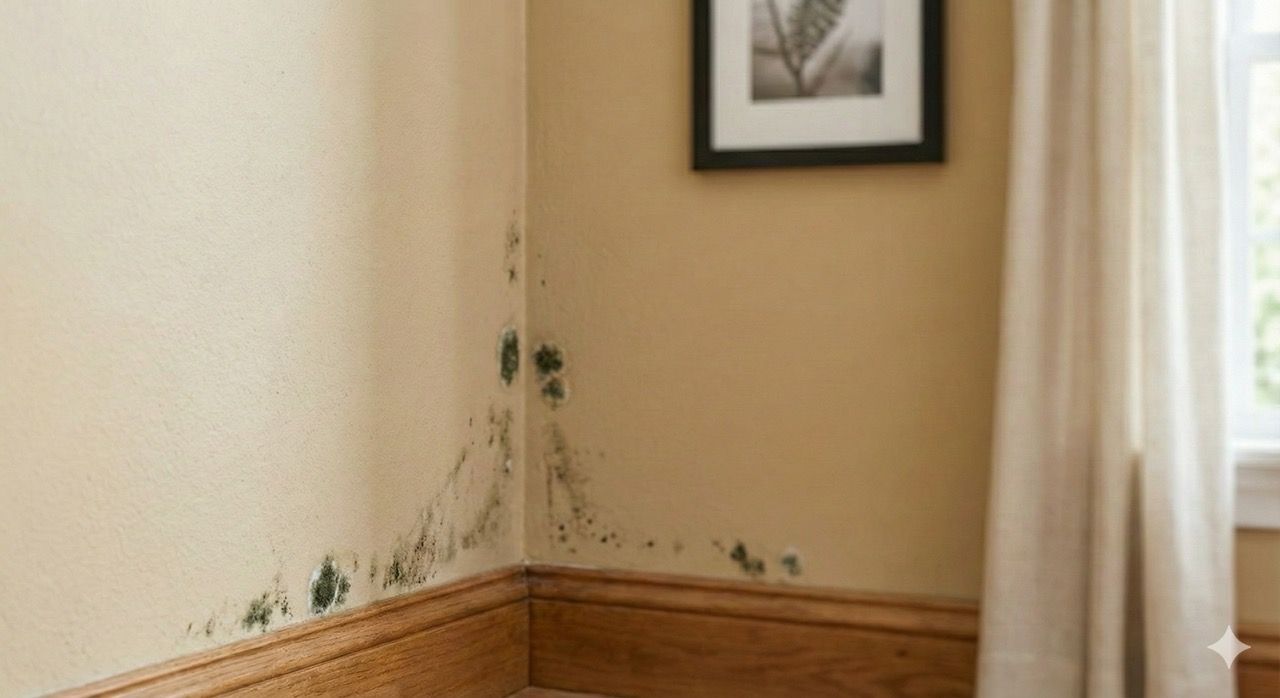
Black mold in rental home properties is a daunting concern for landlords, frequently raised as a complaint by tenants. There are thousands of mold lawsuits filed annually across the United States, with a significant spike in cases occurring in the early 2000s due to the heightened awareness of "toxic mold" issues. Through the years, the number of cases has since decreased somewhat due to stricter legal standards and scrutiny of medical claims related to mold exposure.
Tired of rental property hassles? Let Valta handle everything, from guest care to property upkeep. Learn more about our vacation rental management and enjoy stress-free ownership!
First of all, some facts about mold. Nothing is more natural than mold. Mold is Fungus, and there are thousands of different molds on the planet. Like all living things, mold needs moisture to grow and survive. Outside nature, mold's job is to digest and break down natural vegetation, but we don't want mold mistaking our buildings or possessions for a desirable food source.
Mold growing outside releases thousands of microscopic spores that easily float through the air and into your home. These tiny spores are for all practical purposes, impossible to keep out of your home. What really determines if mold will grow in your home is one key ingredient and that's MOISTURE.
Mold spores plus a food source plus moisture equals mold in your home. Mold indoors likes to eat paper and wood products and even some of the glues that hold them together. Mold can grow on just about anything if it stays wet or damp. There's really no practical way to keep out the thousands of microscopic spores or eliminate their food source. Spores are everywhere so the key to preventing mold growth is to remove water from the equation.
The first rule of mold prevention is keep it dry if there's no moisture then there's no way for mold spores to grow.
There are three general ways that moisture accumulates inside a house or an apartment:
The first step in mold cleanup is to identify and fix the source of moisture that caused the mold in the first place. Aim for a permanent solution because if the moisture returns so will the mold.
Once the moisture source is permanently fixed. Whether to clean or discard the affected area, it depends. Slick surfaced items can probably be washed clean. Porous or fleecey items may well need to be thrown away.
First wash with a mild soapy water, such as laundry detergent and warm water. Allow to dry.
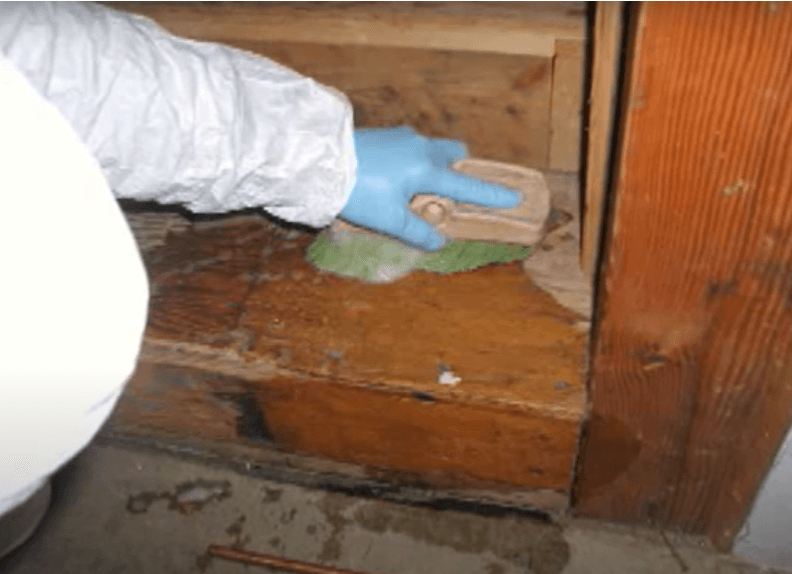
Then apply a borate-based detergent solution and don't rinse. This will help prevent mold from growing again. A borate-based laundry or dish washer detergent has "borate" listed on the ingredients label.
For wood that was moldy, paint with an alcohol-based shellac
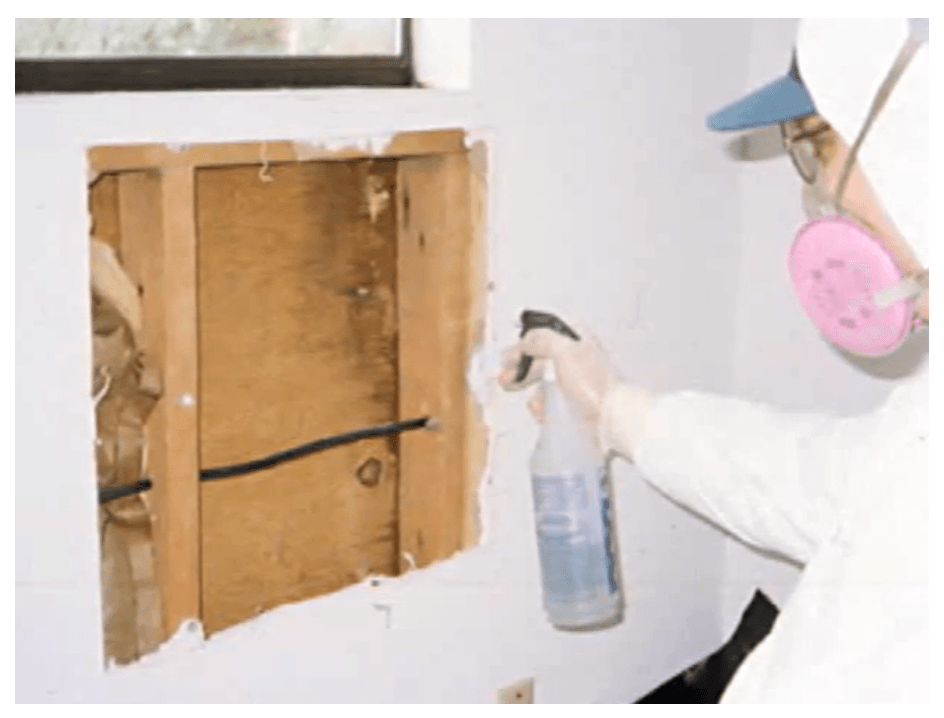
Alternate to borate-based method is bleach based method:
Wipe with a solution of 1/4 cup bleach to one gallon of water (you can replace this with another antimicrobial product for mold and mildew). Wait 20 minutes and repeat. Wait another 20 minutes.
Many of the leading mold stain removal products use one of two primary active ingredients – hydrogen peroxide or sodium hypochlorite. Sodium hypochlorite is the core ingredient in the manufacturing of common household bleach products.
Borax or bleach for mold removal:
Both are effective, but Borax is a safer and gentler option to handle. Borax is alkaline, which creates an environment that's not ideal for mold to grow in, while bleach is a strong oxidizing agent and disinfectant, killing mold upon direct contact.
Tenants and landlords both have responsibilities for addressing water and moisture problems that can cause mold. Generally, fixing leaks is the landlord's responsibility and reducing condensation is the renter's responsibility.
Renters: Renters need to operate the heating and ventilation systems to reduce water condensation. Renters need to notify landlords promptly, in writing, of any water leaks or moisture buildup due to building problems.
Landlords: Landlords are responsible for maintaining rental units, including fixing building problems such as water leaks and ventilation or heating defects which may lead to moisture problems.
Washington State Department of Health https://doh.wa.gov/community-and-environment/contaminants/mold
U.S. Environmental Protection Agency | US EPA https://www.epa.gov/mold/brief-guide-mold-moisture-and-your-home
Need help managing your King County rental properties? Valta Homes offers 24/7 hotline support and a trusted vendor network to handle maintenance issues before they become major problems. DM "HELP" to learn more.